View
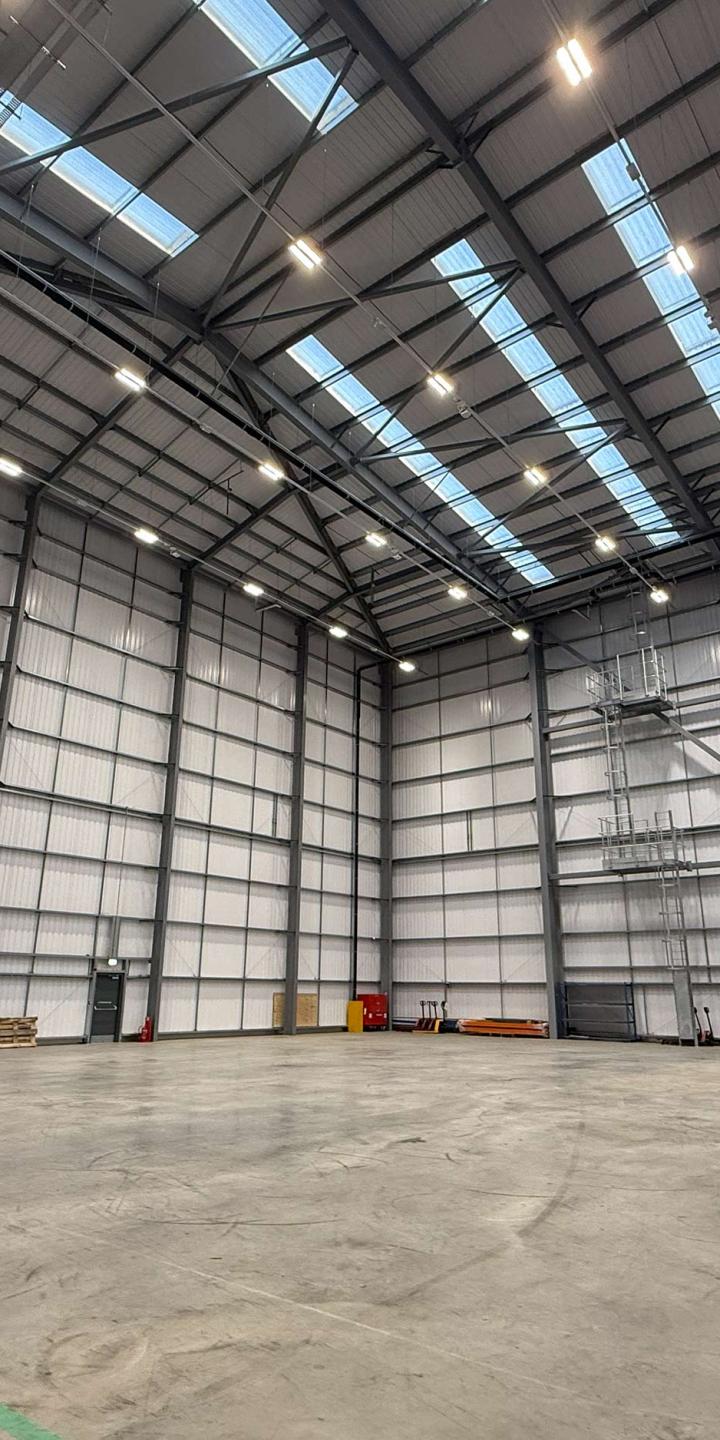
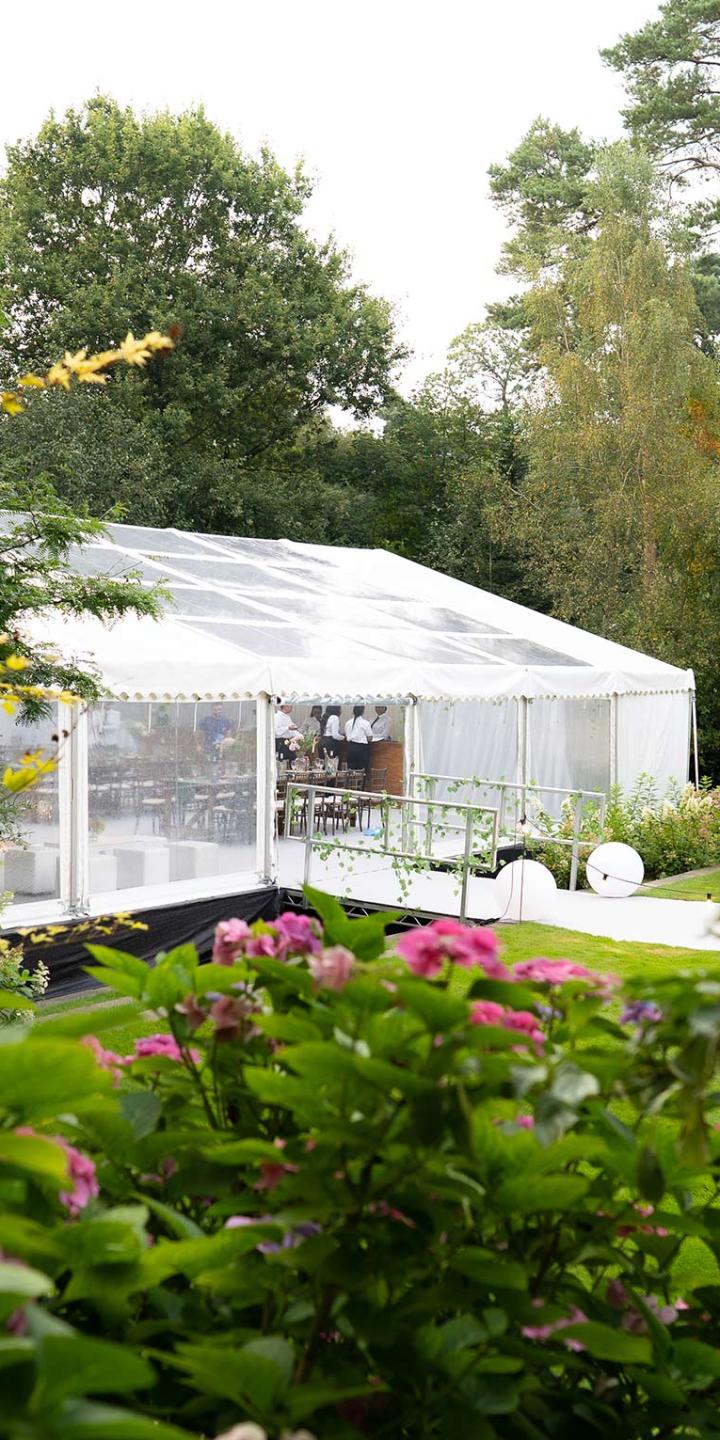
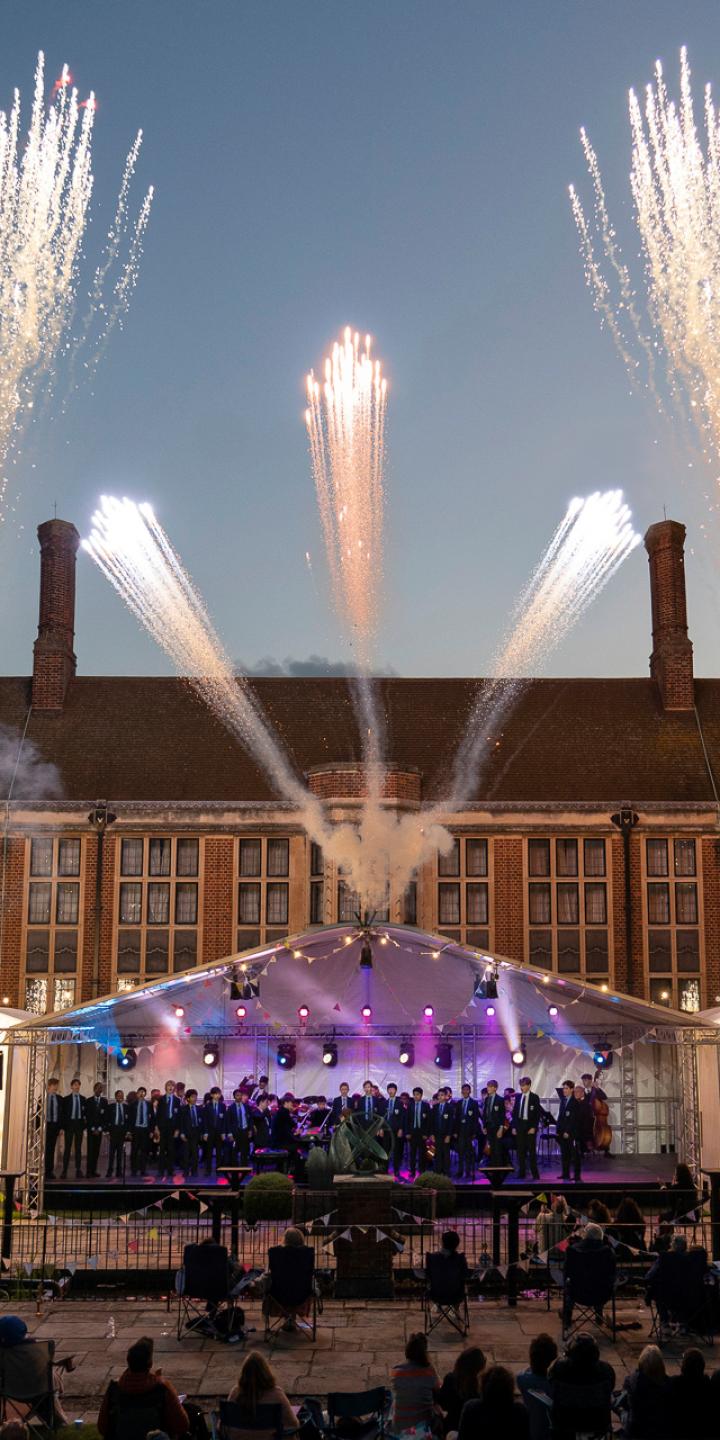
The suppliers you may look for could include caterers, marquee companies, designers, safety managers, sound companies, lighting companies, generator companies, cleaners, security, transport, fencing and many others. These types of businesses all work differently and have their own quirks. I will keep this article to general rules that apply to all supplier types.
The events industry has many small companies who are aspirational and want to do work beyond their capabilities. While this may be inspiring and entrepreneurial it does not translate to a company providing the reliable, consistent quality of service you need. When working with professional companies it should be very easy to establish if your event is one within their capabilities. There are a few things you can do to check:
If there is reluctance to provide any of these it is best to be aware of the potential risks of using that supplier.
Many companies utilise the subcontracted services, skills or equipment of third parties. This practice is commonplace and quite acceptable when the items being provided are non-critical fringe items. However, it is very important that your suppliers have the core resources they need to do your event in-house. If your supplier has to rely on third parties for elements of their work that are critical there is a risk element being introduced to your event in the quality and reliability of the third parties. By relying on third parties lead times are increased, costs are less controlled and there is a risk of that third party not being able to deliver.
Many suppliers openly work as an agency and solely source services from third parties. In this case it is a good idea to check out all their suppliers. Most good agencies will be happy to agree to transparency about who their suppliers are within their service level agreement.
You need to understand the details of your supplier’s businesses. It is quite easy for a new company to make bold claims about what they are, what they have, their capabilities and the work they have done. It is important to understand the extent of accuracy of this information. As such I strongly advise that you visit a supplier’s premises prior to committing. All established and transparent companies will be very happy to have you visit their place of business. If you sense any reluctance to do this I would suggest caution when dealing with the company.
Even when a supplier fulfils all the requirements outlined in this document it is still important to ensure that you are getting good value.
The best way to check this is put your project needs 'out to market'. Do this by finding at least three new companies you like the look of or have been referred to and send them a brief.
Events are often a creative process whereby concepts are discussed and outlined in vague and general terms. This is perfectly acceptable and is an important part of the creative and collaborative process.
However, when it comes to making a contractual or financial commitment to a supplier it is important that you know precisely what you are getting. Vagueness will invariably work against you, not for you.
As such you should insist that a supplier provides at least three of the following documents - which ones will depend on the type of business they are.
Good companies have happy clients. Happy clients are generally willing to help their favourite suppliers by offering references. Insist on copies of thankyou letters or references. In some cases it may also be appropriate to speak to previous clients, but do not be put off if your supplier is not happy to give out their client details.
When dealing with items like marquees, staging, flooring, fencing or anything where spacing is important technical drawings are critical. Personally I do not see how an event can be effectively designed without doing proper scaled CAD drawings. I do CAD drawings for all my projects and this helps enormously to ensure that everything runs smoothly. Scaled drawings allow the designer to identify issues such as spacing and sight lines in advance which saves time and money later. Drawing events makes it easy to communicate with others exactly what is happening and how it is going to look. Most importantly a drawing makes it very clear what you are getting.
All professional companies providing marquees, rigging, staging and production services will be glad to provide 3D CAD drawings. Such companies will typically have the capabilities in house. Avoid production companies that do not provide technical drawings – this is an indication that they are not working at a professional level.
Most medium to large suppliers will have a team of people working on a project. It will often be the case that you will be dealing with one key contact. This can be a very good thing as they can build their own relationship with you and get a deep understanding of the project.
However it is important that you can be assured that should your contact be unavailable the project will still run smoothly. A simple question of “what happens if you are sick?” should be asked of your contact. A professionally-managed company will have effective systems in place that ensure all information is stored in a way that makes it accessible to other members of the team to ensure service continuity.
We appreciate that it is up for our clients to make their own minds, and as such do the following:
Our work is best seen, not just described. Explore a selection of past events — from intimate garden parties to large-scale private celebrations — each crafted with the detail, care, and ambition that define Party Doctors.